Ecology, resilience, and restoration
“Working with nature, not against it” -ASLA
Ecology and Restoration PPN
The network that I decided to Join was the Ecology and Restoration PPN. I decided to join this specific PPN because i’m in LA 403, Natural Systems studio. Alongside, I find designing resilient and ecologically functional landscapes to be imperative in helping reviving the earth and our surroundings. Our studio this quarter is focusing on a site that is beside the St. Johns river in Visalia, California. I plan on using this PPN to further my knowledge on resilient and restorative landscapes. Alongside, researching ways to design river-friendly landscapes that won’t disturb the natural systems and wildlife.
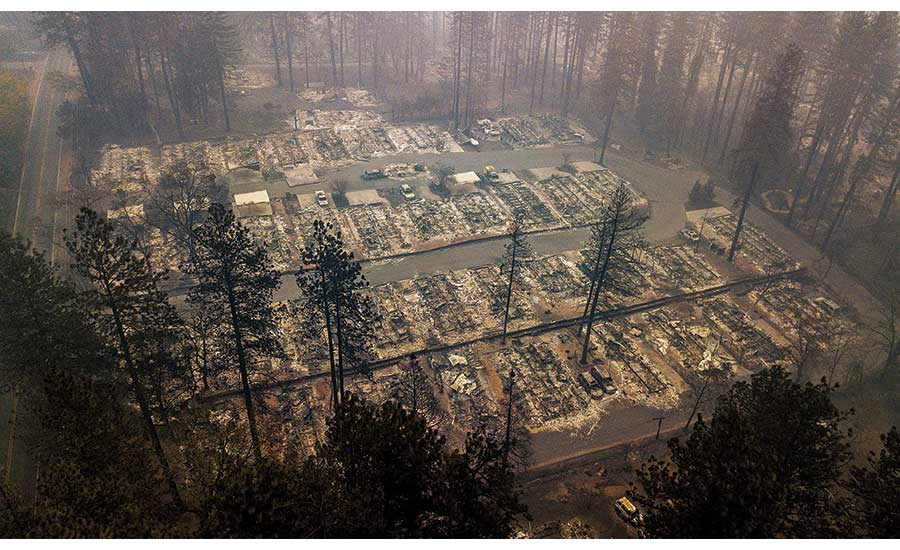
This PPN linked the ASLA Guide to Resilient design, which I found to be an incredibly helpful source. It navigates the reader through a series of disasters, and methods that one may use to create a resilient design/landscape. This guide emphasizing the need to design with nature and not against it. In the past, there have been numerous projects that have attempted to deal with resiliency with the use of concrete infrastructures, for example, sea walls, that have been deemed to be not the most optimal, sustainable solution. A simple solution that was suggested was to create coastal buffer mounds that will combat erosion and water flow, while also accomodating to wildlife and the current ecology. These guidelines have been written to address just that. The guidelines also address mostly natural disasters such as biodiversity loss, flood, fire, landslides, drought, and mudslides. Also, they address on a larger scale, issues that are very prevalent to our current day, issues like sea level rise and rising temperatures in climate. This source is also helpful because for each of the topics it includes multiple case studies that would serve as great precedent studies for our project.
Follow My Blog
Get new content delivered directly to your inbox.
https://www.enr.com/articles/46681-california-towns-rebuild-after-wildfires-with-resilience-in-mind
 Ecology, restoration & resilience